Collaborative Writing

Writing is supposed to be done alone in a cold garret somewhere.  The writer tortured to some degree by the blank page.  Characters, storyline, theme development all taking up a great deal of space in the writer’s thoughts.  Is that still the image?


How about the place of the reader?  Should a writer develop ideas based solely on personal interest and preference, or in some consideration of the potential reader?  Particularly in this medium, which is so immediately public.  And yet, only so much so as the blog’s SEO commands.


public domain image

public domain image

I used to wonder about writing as part of a group.  I did take a play writing course in high school where we often worked in teams on pairs.  Sometimes this led to better pieces and sometimes to drivel. How does the division of labor work out?


I warmed to collaborative writing in the business environment.  It helped that I came across a writing partner with similar sensibilities and a more developed (at the time) methodology.  One or the other of us would usually take a first stab at writing the first draft after a brief discussion of need or intent and then we would sit together and hone it.  Move sections about, sharpen wording, tighten the message so that there was plenty of white space.  White space is very important in business writing.  In the early days, I thought that she spent too much time honing.  But I learned better editing.


I came to realize that my interest in fiction was actually useful in this writing environment.  Story is necessary here, too.  Not as in making something up, but in creating a clear arc; keeping the focus of the piece clean.  Every detail isn’t necessary, in fact too much detail is detrimental to keeping the reader engaged in the message.


We are writing about this issue.  This is a bit of the background for why we are writing.  This is the solution.  The adage to start in the middle has merit here, captures interest.  Keeps things moving.


A strong conclusion – with a call to action.  Here is what we want you to do with this information.  In business writing the reader is highly important, if not properly considered then the message may fail.  Collaboration of minds and writing styles can make the effort more effective.


© 2014 BAReed Writing | Practical Business, All rights reserved

Wish Lists

Wasn’t it just amazingly easy to come up with lists of wants when you were younger?  Unless made shy by being asked suddenly by a rarely met aunt or uncle, I remember being able to rattle off all sorts of things that I would love to have as my own.  I’m not sure when it got harder.


It isn’t like I don’t want or need anything.  And it certainly isn’t that I don’t like to get presents.  But ask me for suggestions and my brain says, ‘uhhh – can I get back to you on that?’.  So I started to keep a running list.  Then my book list branched into a list of its own.


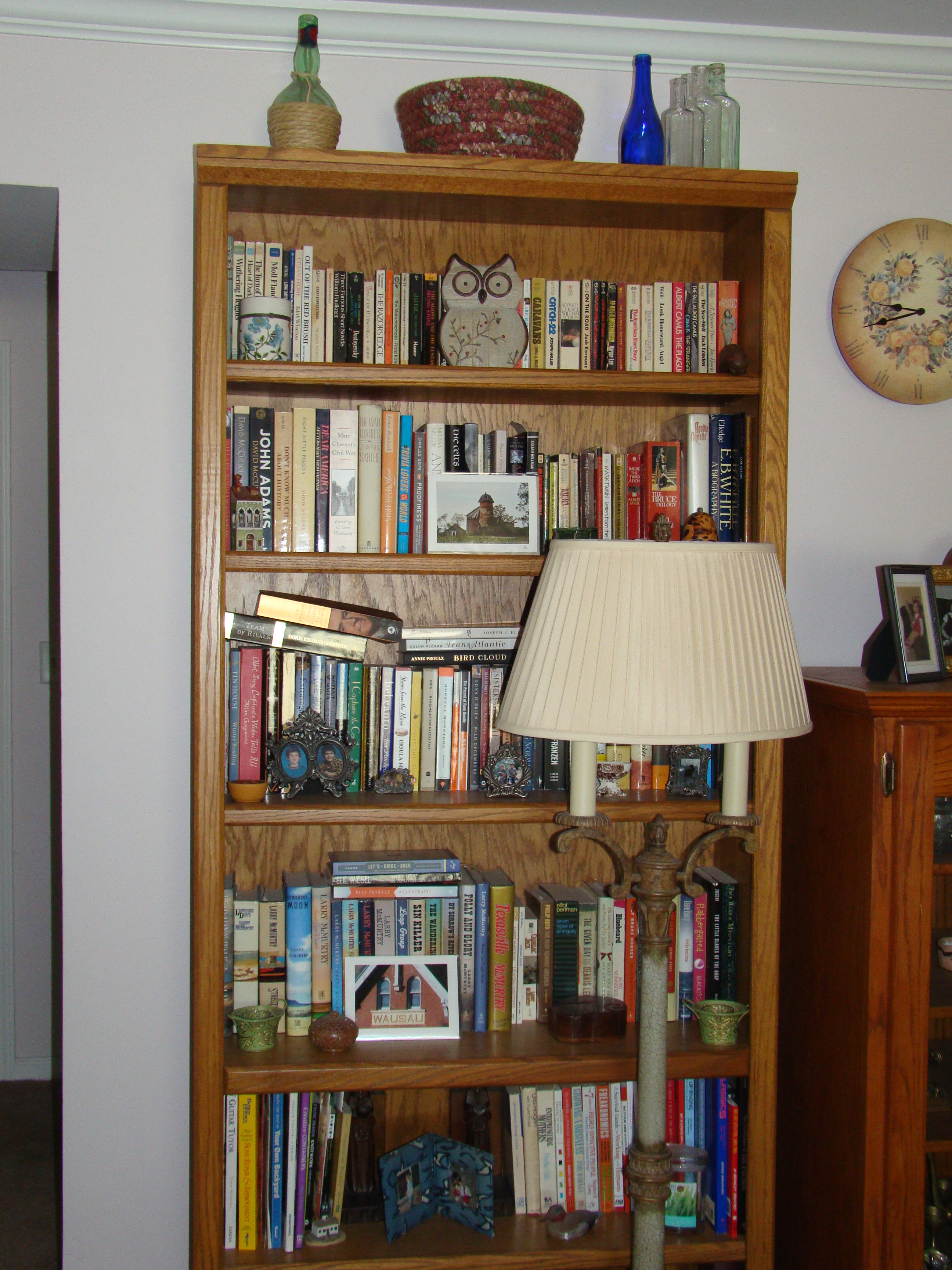
Maybe I could have a library like this?

Maybe I could have a library like this?

(And still I was hard pressed to keep myself on track and focus on books already on the list when I found myself at a library book sale recently.  I did end up with some excellent choices, I think.)


Anyway, I know that I am not alone in this malady; whether it is one of memory or something other, is a question to discuss with friends over tea.  My friends and I have all gotten to a stage when we are not as quick to acquire – we have pretty much already feathered our nests.  But that doesn’t mean that we might not like to add to a collection or two, or perhaps have a treat or get an item to support a new or old hobby.


And there is a pleasure in gift giving that we might have forgotten along the way – giving and receiving.  It has nothing to do with standing in line at odd hours for the latest craze, in a crush of bargain hunters.  It has to do with thinking about that person for whom you are shopping, or remembering the person who gave you a specific treasure.


Well, I am gearing up to ask my family for suggestions, so I thought I should dust off my list.  Only I have lost the darn thing.  Now what was on it?


© 2014 BAReed Writing | Practical Business, All rights reserved

Travelling Tales

Periodically I have reason to spend time enjoying folk and fairy tales and I am reminded anew how wonderful they are.  I am working on the storytelling workbook in Toastmasters and I also just participated in a local Hispanic Heritage day, where I was the storyteller.  We adults who don’t have regular contact with small children can forget the delights, and lessons, of these tales.

DSC03889

Part of what is amazing about these tales, beyond their endurance through so many eons as well as social change, is the way that they travel.  We like to think that we modern folk are better than any of our ancestors at getting around because we have a variety of fast modes to get from here to there.  But the reality is that even back in the days of horse carts and walking as the main means to get around, people were quite mobile.


People who study folk tales can provide endless examples of the different versions of the same basic tale that show up all over the globe.  The tale that I told at the Hispanic Heritage day had a very similar flavor to the Brer Rabbit tales in the American southeast.  Which themselves have provenances from other far off shores.


A good story is far more that entertaining.  It makes us more receptive to new ideas, learning and growth.  Folk tales are packed with understanding of human nature, right and wrong, and ways to explain the world.  They should since the oldest are quite well travelled.


© 2014 BAReed Writing | Practical Business, All rights reserved

Don’t Tell Me

Yesterday at lunch one younger fellow starts to tell us that he went to see Gone Girl and it blew him away.  He couldn’t get any farther before there was a chorus of, ‘Stop, No’ from most of the room.  Quite a few people have plans to see this movie and have apparently not read the book.  I read the book about a year ago and have no current plans to see the movie.


He really wanted to talk about the plot, it had sparked something in him.  I’m not sure how much of the finer detail I remember since I have read quite a bit in the intervening months but I could probably dredge up enough to have a decent discussion and find out how certain things are addressed in the movie version.  We would have been possibly subject to bodily harm had we continued to discuss the movie, though.

public domain image

public domain image


I’ve kind of gotten out of the habit of watching movies in the theater, which is a shame.  It is a very different experience.  And some movies really deserve to be watched on a big screen in a big dark room.  In a shared experience.  A friend and I danced our way out of Jersey Boys awhile back which gave us the opportunity to connect a bit with our fellow movie viewers.


But shared sensations – film or print – can lead to that chorus of don’t tell me, don’t spoil it for me.  I still remember trying to stay away from the people who devoured the last Harry Potter book immediately while we, my boys and I, read it at a slightly more leisurely pace.  We wanted to savor this last encounter with Harry.


A little buzz, a taste of personal reaction is helpful sometimes.  It might lead us to read or watch something that didn’t originally appeal at all.  Or it might build the anticipation.  A delay in achieving the experience can heighten it as well.  I just watched Captain Phillips, which I have wanted to see since it came out, with my older son and daughter-in-law and we were not disappointed.


Have you had an anticipated experience accidentally ruined?


© 2014 BAReed Writing | Practical Business, All rights reserved
Caution and Risk

Just the right balance between these two forces seems to be not only the key to survival, but also plays into success.  Cautious people live to tell their tales and to raise a new generation, but they might not have taken enough risk.  Risk takers might have gone a bit too far and checked out early.


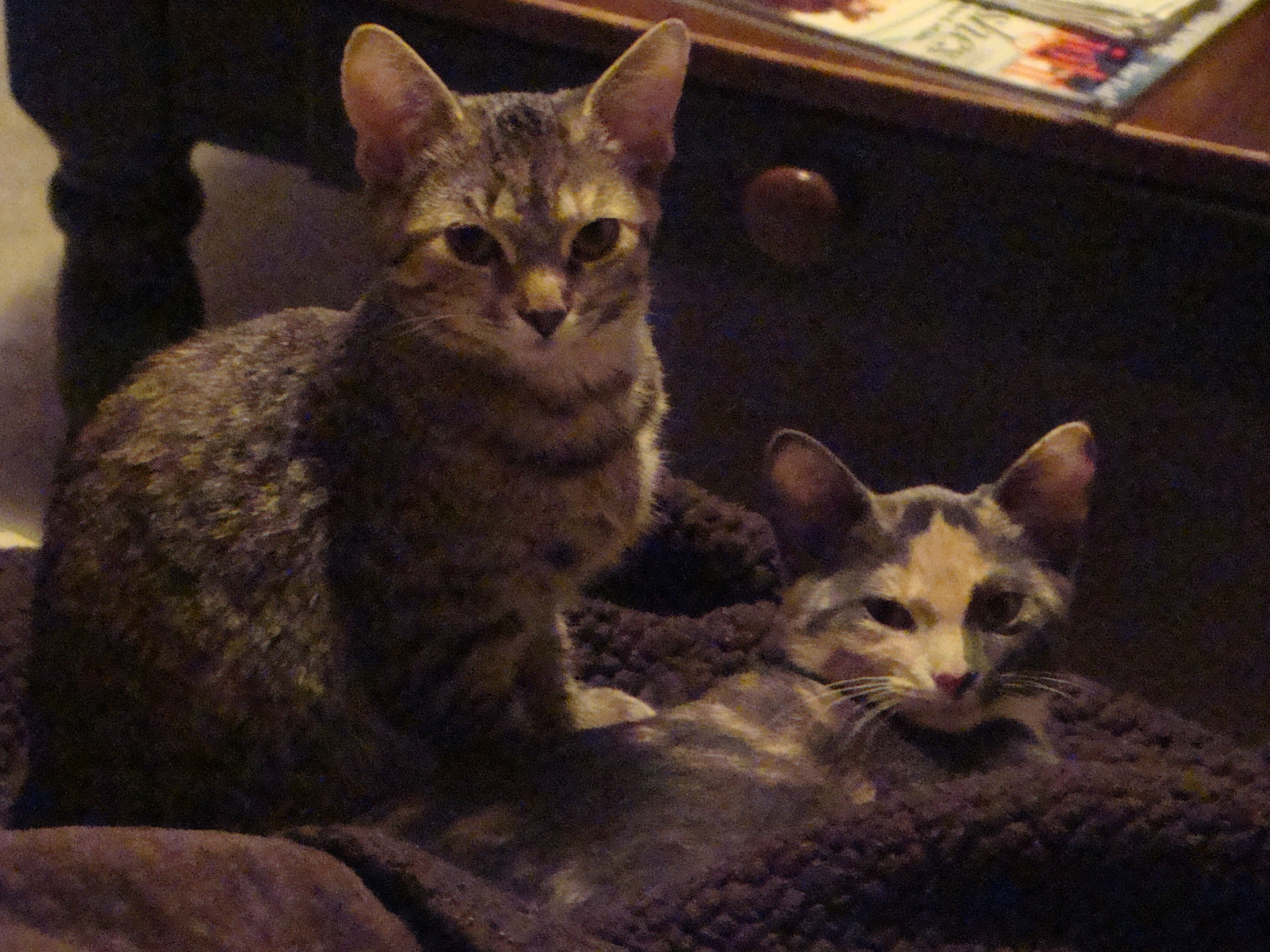
I just spent some time with a couple of four month old kittens.  Sisters, one just a tad bolder than the other.  Kittens instinctively know that a certain hesitancy around new things is prudent, but they also have a strong need to know – what’s in here, can I fit in there, can I jump high enough, will this hold my weight…

DSC03876

Natural laws and human rules provide some boundaries for their explorations.  A thing just beyond their reach is terribly tempting, conversely after a few minutes with the thing it loses its charm and they are off to the next thing.


How do we find that right balance for ourselves?  Thoughts of if only I’d done or not done this or that might mean that we were too cautious or too bold.  But maybe only in hindsight, too.  I bought my house right before the housing crash so I shake my head at the amount of money that – on paper – has disappeared.  But I’ve had the benefit of living in the house for the last nine years and being removed from the townhouse complex where I had previously lived.  So, do I count this in the good or bad category?  Hmmm.


Stay or move, keep a job or switch, invest in Microsoft (wish I had) or buy that car which provided mobility (when it wasn’t in the shop).  Get married, have a baby, buy a house, retire now – here or there?  Caution or risk?


I’m not sure that I will ever figure out just the right balance, but the consideration is worthy of a few more years of research (also known as living).  When have you been overly cautious or entirely too risky?  Or maybe you have gotten it just right?


© 2014 BAReed Writing | Practical Business, All rights reserved

Hardy

Now this is a word that we don’t use nearly often enough these days.


“I’m interested in that thing that happens where there’s a breaking point for some people and not for others. You go through such hardship, things that are almost impossibly difficult, and there’s no sign that it’s going to get any better, and that’s the point when people quit. But some don’t.”

~Robert Redford


Life has taught me that hardy is something that I want to be, a trait that I want to cultivate.  There are all sorts of breaking points, and I have a few memories of quitting this or that, like playing the flute, early on that didn’t sit well with my competitive nature.


Hardiness consists of these characteristics – resilience, optimism, flexibility and creativity.  I read this in periodic research that I have done and I believe it because it has been true for me.  The beautiful thing about hardiness, is that while some people are inherently hardier to begin with, it is something that can be learned and strengthened over time.


a hardy plant, Lily of the Valley

a hardy plant, Lily of the Valley

I do not lean toward optimism, but I can turn my thoughts in that direction.  My mom was quite the optimist and I could regularly compare my Eeyore mindset to hers, and sometimes be amazed that her belief that things would be ok seemed to actually make them ok.


I’ve learned resilience can be born from stubbornness combined with a willingness to learn.   Realization that resilience is something that I am mastering came slowly.


Flexibility and creativity also make sense as parts of the hardy equation.  Creativity provides strengths and helps recharge batteries.  And flexibility releases some of the pressure from stress.


I am mere days away from the beginning of a new decade, so while I hope that you get something out of reading this post it is admittedly more of an exhortation to myself that I know how to be hardy.  I hope that you do too.


© 2014 BAReed Writing | Practical Business, All rights reserved
What Do You Recommend?

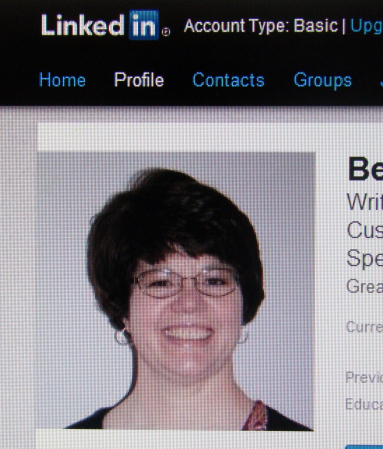
A thoughtful recommendation is a fine thing to give or receive.  LinkedIn has made this process a whole lot easier.  My first attempt to get a recommendation from the Head Librarian where I worked during college didn’t go as well as I planned.  While she appreciated the work that I had done, she never did get around to writing that recommendation and sending it to me.  I think that she might have been more likely to follow through with her intention if she’d been able to post it to my profile.


Back in the day, a professional kept a portfolio that would include originals of recommendation letters on company letterhead, carefully saved in clear plastic sleeves.  I still have my dad’s judiciously built portfolio, in a nice leather binding, glowing letters spanning his career.

profile-plea

I have actually enjoyed writing the recommendations that I have given.  (I also see benefit in thoughtfully writing employee reviews.)  I spend time thinking about the characteristics and skills of that person that make them effective at their job.  I tie these to specific projects and tasks that the person has completed.  Sometimes if time has elapsed since we worked together, I might ask to meet and talk to refresh my memory.  Vague platitudes from me aren’t going to do anybody any good.


I learned about having that conversation beforehand from one of my HR friends.  I asked her for a recommendation and she asked me about my goals and expectations from the recommendation.  A nice addition to the question – would you give me a recommendation – and the usual casual answer – sure.


But I don’t want to be told exactly what to say either.  Any more than I am going to answer a survey on a company when they tell me that they want to hear that I was highly satisfied.  (If you already know the answer, why bother to pretend to ask the question…)  The reader will be able to tell when I have taken the time to craft my impression of that person from my own experience and interactions.


I’ve come to see recommendations as another facet of writing as communication.  It might be simpler to ask and to post now, but that just means the effort can all go to being thoughtful in your expression.


© 2014 BAReed Writing | Practical Business, All rights reserved
Pursuing Ideas

I have trouble getting my mind to quiet down.  Tick, tick, tick it goes – all the time.  Sometimes it is a gibberish jumble and other times laser focused on a single topic.  I think that is part and parcel of writing since writing begins with the formulation of an idea.


What makes a person a writer is the compulsion to write, to put that idea on paper (virtual or real) and pursue it, build it, launch it, nurture its growth.  Sometimes that idea that started out as a tangle of gibberish becomes a viable, wonderful thing.  And sometimes that laser clear idea collapses into useless mush.  For now.  (I don’t fully discard any post that I’ve started, it might have a seed for a future idea.)


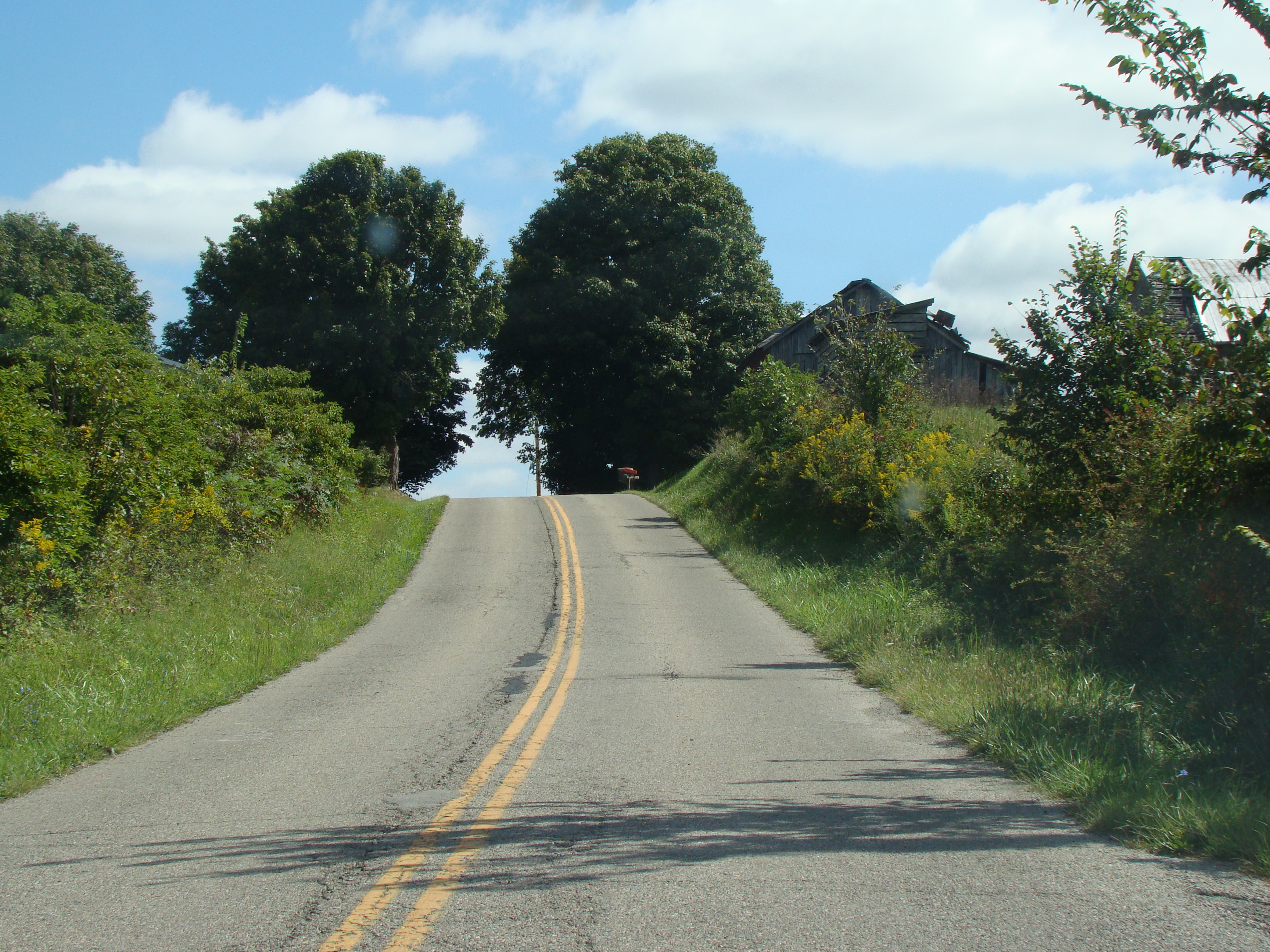
Walking and driving distances are great for mulling ideas but lousy for capturing them.  I now try to remember to keep a recording device in the car on long trips, and can find myself chanting a couple of sentences when hurrying home from an amble.

more Jisco West

Waking up slowly is also fertile idea time.  My mind likes to tell me the things it has been pondering while asleep if I let it.


Sometimes repetitive tasks can bring forth a good thought or two that have been wandering in the back of my mind while my hands are busy.  It can be annoying when the thought gels in the morning when I’m getting ready for work so all I can do is jot it down on my way out the door.  And hope that I can pick it back up at the end of the day.


I like the discipline of posting regularly as a bit of pressure to complete an idea.  Although there are periods when too many ideas don’t pan out.  And nothing that I have previously completed appeals to me at the moment when I should post to meet my self-imposed deadline.  Sometimes my post meets the writer’s version of software developer’s minimum viable product.  And sometimes a post that I felt came together quite well is received with a thud or echoing silence.


What the writer writes isn’t always what the reader perceives.


Or maybe I am overthinking.  What is the right amount of thinking on any one topic, idea or issue?  My hat is off to the person who gets the answer to that one right more often than not.


Now that I am rounding up in a couple of months to completion of my second year blogging, I have been thinking about objectives.  (Different pursuit of ideas.)  My first objective was to set up a blog and see if I could sustain it past the average of 4 months.  Counting my first blog, I have certainly met that objective.  Then I thought a year was a fine goal.  Met, check.


As I became more familiar with the blogosphere, I realized that I wanted to find a community of bloggers, and I have managed to find or be found by others with similar interests.  Not quite a community since there is little cohesion beyond the fact that we are all blogging on WordPress.


Not being content with blogging for the sake of blogging, I have been wrestling with the open question of ‘now what?’.  I don’t have an answer for myself.  I will keep pursuing ideas to blog about while I pursue this larger idea.


Any suggestions?


© 2014 BAReed Writing | Practical Business, All rights reserved

Just a Little Reward

I was puttering in the kitchen and thinking about what I should write.  I have bits of ideas tucked here and jotted down there, but it was too much to go and find them to see if any appealed right now.  I happen to be working my way through left overs, which often seems to fall to me because my son prefers to make new creations.  (I kind of remember enjoying creating new flavors in the kitchen myself once upon a time.)


Mostly I don’t mind left overs and I really hate waste.  My reusable sandwich bag was a topic at lunch today among my coworkers.  (How easily it can be washed and how I wash it.)  But it can quickly become something I have to do if my son doesn’t join in and eat some too, particularly if he has made a batch of something way too large for us to eat in a couple of sittings.


One of my son's most recent creations.

One of my son’s most recent creations.

These led to thoughts of how we reward ourselves, if we reward ourselves and whether or not we should reward ourselves.  I happen to be reading a book that is set in the Middle Ages and this is making me think about how we are rewarded just by living in this century and not back then.  But I should just use modern context.


It is in my nature to use some sort of carrot to get myself to do something I don’t want to do.  For instance I can watch an episode of a show that I like after I make a call that I don’t want to make.  I don’t think of that as a reward, per se, but more of a prompt.  Delayed gratification.


My favorite reward for getting through a work week is the moment that I can turn off the alarm on Friday night, followed by extra time reading, a fine night’s sleep and then the luxury of waking up slowly and having a leisurely mug of tea Saturday morning.  Heaven.


My rewards might seem small to some, or decadent to others.  But the beauty of rewards are that they should be personal.  How do you reward yourself?


© 2014 BAReed Writing | Practical Business, All rights reserved
Time Well Spent

Reading.  Time reading is never ill spent, even if I’m not too fond of whatever I happen to be reading.  Reading is a wonderful way to pass the time, to feed your mind, to learn, to escape…  Even if I manage to forget much what I read, it was still time spent well.


My former mother-in-law thought time reading in the middle of the day was just about the most decadent thing ever.  A person who was doing – cooking, cleaning, gardening, etc. – was spending time wisely.  Reading wasn’t doing in her book.  (And don’t even mention napping.)  I do agree with her that doing is productive.  But reading is productive as well.

DSC03769

Productive.  To produce, create, generate.  Time well spent should produce something.


I’ve mentioned here before that I am terrible when it comes to planning for myself.  Many weekends I wind up irritated with myself because I didn’t plan for this time away from work.  Plan to get things done, or plan for a little bit of fun.  I ask myself if those weekend hours are then time well spent?  At the end of each day I can point to ways that I was productive, though some of it repetitively so.  Such as errands and laundry, cleaning.


Work hours can be just as confusing when asking whether we are productive – if I got things done, but not necessarily the things that I expected to do, was it time well spent?  Was I productive?  What if you did exactly what you expected to do but didn’t get the result that you expected?  Was that time well spent, was it productive?


So much to do, so little time.  The time that we get here is finite, spend it wisely.  But was is time spent well when there is so much to do?


Reading.  I’ll spend more time reading and think about this more later.


© 2014 BAReed Writing | Practical Business, All rights reserved

The Sarcastic Muse

Writing. Information. Inspiration. Sarcasm guaranteed.

Stefanie O'Connell

Just another WordPress.com site

Retirement - Only the Beginning

Retirement Planning Beyond Financial

Voices In His Head

Recognized as Blog Of The Year! (unfortunately, it was given the year 1910, the start of the Great Depression)

O at the Edges

Musings on poetry, language, perception, numbers, food, and anything else that slips through the cracks.

BAReed Writing, Business Writing

Clear, professional writing is closer than you think.

Dancing Beastie

Seasonal living in a Scottish castle

eyeslikecarnivals.com

Clear, professional writing is closer than you think.

Blog to Work

Blogging your way to a job.

michelleshaeffer.com

Simplifying Business Chaos

Always The Write Time Blog

by CHRIS MADAY SCHMIDT

Art of Non-Conformity

Clear, professional writing is closer than you think.

xplorenorthshore

Smile! You’re at the best WordPress.com site ever

Medievalists.net

Clear, professional writing is closer than you think.

The Creative Penn

Clear, professional writing is closer than you think.

Gifts Of The Journey

The Fearless Pursuit Of A Life Worth Living

The rising tide

Through The Glass Darkly

an interconnected life...

Discovering the threads that connect us, one story at a time.

TED Blog

The TED Blog shares news about TED Talks and TED Conferences.

animatingyourlife

A great WordPress.com site

Second Star to the Right

and straight on 'til morning

CAHOOTS

Success is meant to be shared

Farmlet

Living cheaply and richly on an acre in Puna, Hawaii

J T Weaver

When you got nothing, you got nothing to lose. — Dylan.

Gen Y Girl

Twentysomething. Annoyed with corporate BS. Obsessed with Gen Y. Not bratty. Just opinionated.

Jenna Dee

....living with a following wind

Doublewhirler

iPhone vs Camera

Book Hub, Inc.

The Total Book Experience

The Write Project

looking for light in a weary world