Tag Archives: Learning

The 7 10 Split

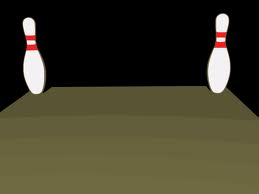
The pins are as far apart as they can be and still be on the same lane.  It is still your turn, and mathematically speaking you can pick up this spare.  But it takes skill, calm and a confluence of several factors.  Bowling as life lesson, not just beer swilling league fun.


public domain clip art

public domain clip art

I bet if you start to think about it, you will remember one and then another and another instance when you had two elements that were supposed to be working together or part of a larger whole in some way that were far apart and working independently to inhibit the larger goal.  (Passively, as in the case with the pins, or less so.)  There are ways to get these elements back into the larger plan, but it could take cunning – at the very least it will take time and effort on your part to figure out a solution and implement it.


I bowled on leagues on and off for years and I’ve been involved in volunteer groups, training sessions and plenty of office situations and only just this morning had the realization that there are parallels in these set ups.  From a higher level strategic point of view, there are similarities in the solutions.  I, or you, have to figure out the trajectory that will bring the elements together and keep the game going.  Now in life we probably don’t want to violently knock one element into or against the other – particularly since quite often these elements will be people.  Co-workers, vendors, colleagues, partners.


Sometimes the straightforward, ‘hey where are you at with your part of this project’, approach works like a charm.  Sometimes a bit of cajoling and sometimes it is a grueling game of inching the parties closer together.  It can be an endurance test for us, a question of keeping up our energy and resolve – keeping our eyes on the intended end.  Mentally testing out different solutions for alignment and success.


Then stepping up to the lane, ball in hand, squaring our shoulders, positioning our feet, eyes set on the pins at the other end.  Stride up, swing the ball and let it go.


© 2014 BAReed Writing | Practical Business, All rights reserved

In the Grip of Winter Exhaustion

When I was about 12 and enamored with the idea of love, my mom told me about a book that she had enjoyed which had a love story but so much more.  The book was Mrs. Mike by Benedict and Nancy Freedman and I still remember the depictions of isolation in winter.  That feeling struck me when I read the Little House series by Laura Ingles Wilder, too.


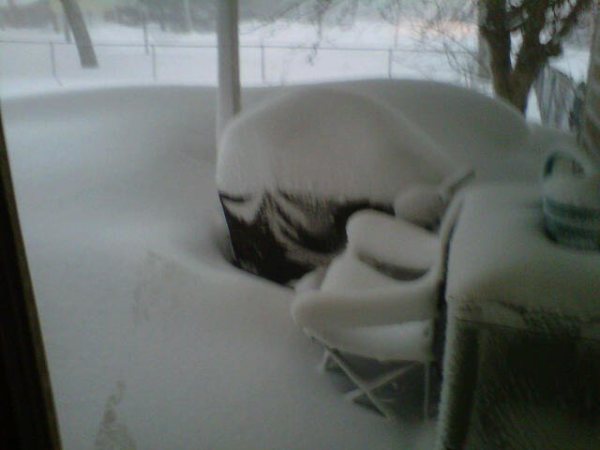
Most of us humans weren’t built for winter endurance – mentally or physically.  Oh, we smile about how pretty and sparkly the snow and ice is around Christmas because its new and fresh and we’ve had ages to forget that there will be months of the stuff to slog through.  And some people have a passion for skiing, skating, or snowboarding; perhaps sledding and a bit of snowman building that gives them reason to hope for the stuff.  Not to mention school-child wishes for snow days.

blizzard

The majority of us just push through and try not to give in to winter exhaustion.  The simplest task – an errand to the store, say – becomes a greater chore and drains more energy than necessary after wrapping up in layers, scraping the car, fighting through all the other drivers who’ve forgotten how to navigate this white stuff, finding one of the few remaining parking spots that hasn’t become a snow mountain, only to find that the items that you need are among the new shipment that is stuck on a truck up some impassable mountain pass or other and due who-knows-when.


Quite a distance from that isolation that I read in those books, but still in our modern way greatly affected by the elements.  We control so much in our modern world, but nature rules in these months and we humans find our way through.  And we fight to keep our schedule the same regardless of the season or weather, where those earlier folk adjusted their activities to accommodate the calendar.


The objective of this Daily Prompt was to teach, but sometimes the most important aspect of teaching is to get us to stop and think.  Why do we do what we do?


This post is written in response to The Daily Prompt: Teaching.


© 2014 BAReed Writing | Practical Business, All rights reserved

‘We Already Tried That’

I fear that these words have passed my lips at some point in the past and I imagine that they fell on the ears of the listener about the same way they fall on me when I hear them.  Shut down, denied, rejected.  Unintended enthusiasm killer.


I got together for brunch recently with some friends, we used to be co-workers, but now all work in other places.  This phrase came up and stuck with me because it is a common thing to hear in many offices.  New people mean new opportunities to examine old process and tasks in a new way.  New people could be new to the company or new to the team with prior experience at the company in a different role.


When I first heard ‘we already tried that’ in response to something that I said, I was rather crestfallen and rolled the rest of my comment back up, folded my hands and clammed up.  Now, I redouble my efforts to find a way to introduce the idea in a manner that will be palatable to the listener.  Or if I overhear someone else get shot down, I try to help them get an opening to complete their thought.


My thought isn’t so much that we should take action on the idea itself as much as it is about giving people the opportunity to speak up and participate in solutions.  Or the process for developing solutions.  Maybe we really did try exactly that and it didn’t work at that time, in that manner.  But that isn’t the point (plus this is a new time and maybe with a couple of tweaks the idea is valid again.)  Maybe it didn’t work the first time for some sub reason that would no longer affect the outcome.

Imagine if we hadn't allowed any new versions of Edison's inventions? (public domain image)

Imagine if we hadn’t allowed any new versions of Edison’s inventions? (public domain image)


The objective, purportedly, is to have engaged employees – ones who participate actively in creating solutions to the situations that invariably come up.  This phrase is high on the list of reasons why employees stop participating and just trudge along.  It is in my DNA to keep putting forth new suggestions, but this isn’t true for many people.  Who knows how hard someone had to screw up their courage to put forth an idea to be told ‘we already tried that’ before the whole idea was out of their mouth?


We already tried to shoot down ideas with ‘we already tried that’ and it failed miserably.


© 2014 BAReed Writing | Practical Business, All rights reserved

Trail of Dots

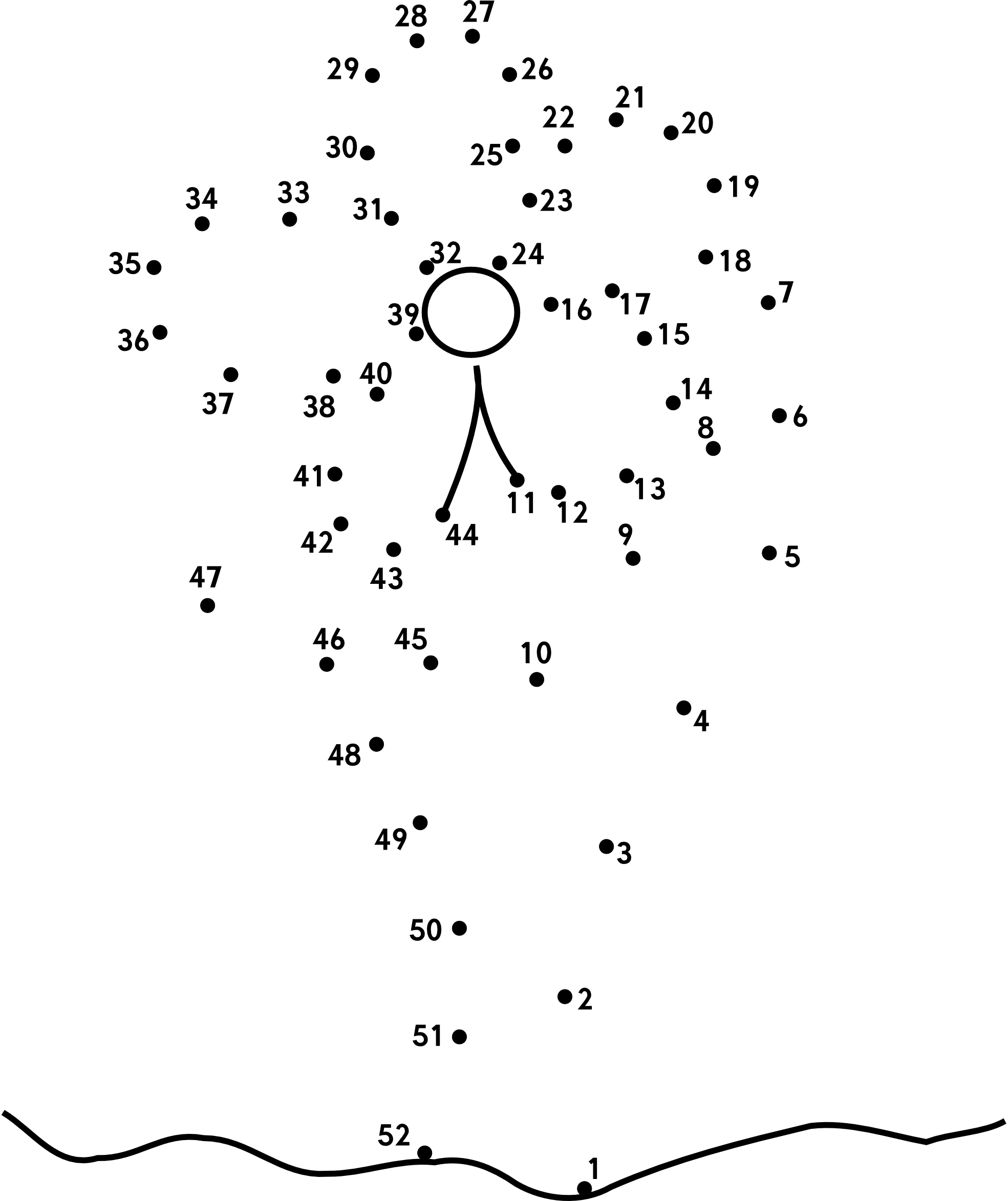
Remember those fun sheets that we would get in those early years at school?  Random numbered dots scattered on the page with the occasional squiggle or line or recognizable body part – and we would know what the picture represented after we connected the dots in numerical order.  I’m sitting here right now thinking that those exercises where just about the best training for work, and life, that we got in school.

public domain image

public domain image


This led to that, and sometimes you really had to search for that.  Not to mention if you accidentally got out of sequence it could be a slow and messy clean up to start again.  In the meantime you wouldn’t be able to tell what you had at all.  (If only tracking down things now resulted in a cute little picture that I could happily color.)


The one aspect of dependencies that was represented on the page – maintaining the right sequence – had to stand in for others such as waiting on other people or working within system or program limitations.  I suppose teachers were wise in keeping this one to themselves for a few more years.  We were still busy learning the get along with others and sharing part, no need to muddy that yet.


Now that I am thinking about how these Connect the Dots exercises were so much more important than they seemed at the time – I wonder about how one went about constructing them?  Obviously starting with the full picture, but the art, or science, was to determine the right points to keep so that the recipient couldn’t immediately guess the subject of the picture but would also not get confused.


Sometimes the designer made mistakes and left out parts or skipped a number and the puzzle couldn’t be completed as shown.  This left the child hanging, or gave the child the opportunity to use their own imagination.  Again, making this a great test for work and life – a low risk chance to practice what to do when instructions are wrong or incomplete for the task at hand.


Some days, by the end of the work day, my brain is only capable of the most rudimentary task.  Maybe I should go out and get myself a book of these Connect the Dots and see if that will help my brain unwind from the more complicated trail of dots in life.


© 2014 BAReed Writing | Practical Business, All rights reserved

Random Things for which I am Thankful: Reading

Reading has been a great boon for me.


There are many things that crowd in and call out for our attention, some important and others not terribly so.  We must constantly prioritize all of these external needs, not forgetting that we have our own different internal needs.  I want to focus on one need that is usually quiet and reserved – therefore not often gaining the attention that it deserves from us in the clamor from all the other things in our lives.


We should feed our brains regularly.  Sure you think that your brain gets plenty of stimulation with that impossibly long to-do list.  Stimulation and feeding are very different things.  I’ll explain what I mean by feeding, I think you are plenty clear on stimulation.


Remember back into your early days when you were eager to learn things that adults knew and that seemed wholly mysterious to you?  Like reading.  I hope that you have at least one memory of curling up in an adult’s lap and reading.  While you search your memory, I’ll share some of my thoughts on reading and some memories.


The earliest books that we were given had wonderful pictures and some had a combination of pictures and these black shapes that adults could decode.  Growing curious, it started to become clear that many of the shapes repeated again and again and they were somehow related to the words that the adult would say to tell us the story.  How many of you had a favorite story or two that you knew so well you could pretend to read it?


When it was time we finally went to school and learned how to make sense of those shapes, called letters, and to understand how they combined to make words and sentences which made up these stories that opened up our worlds to things far beyond what we could experience in our little neighborhoods.


Reading became something that could be shared such as story time at the library, or as part of a classroom lesson – or reading could be something that could be done alone.  For me, reading was always a treat.  Gradually the books became longer and the pictures less frequent but the words would create pictures in my mind to flesh out the story.


As I grew I always had a book that I was reading for pleasure – even as an English major in college when I had quite a stack to read for class.  I made time for reading with each new stage of my life.  Then as an expectant mother I had visions of the joy that would come out of sharing my reading passion with my baby.


And we did read together, and it was just as wonderful to be the adult cuddling a child in my lap as it had been to be the read-to cuddled child.  (The downside of early motherhood, especially after I had 2 little ones, was that I only managed to read one very short book for my own pleasure in a whole year’s time.)
DSC03604

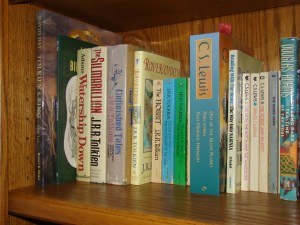
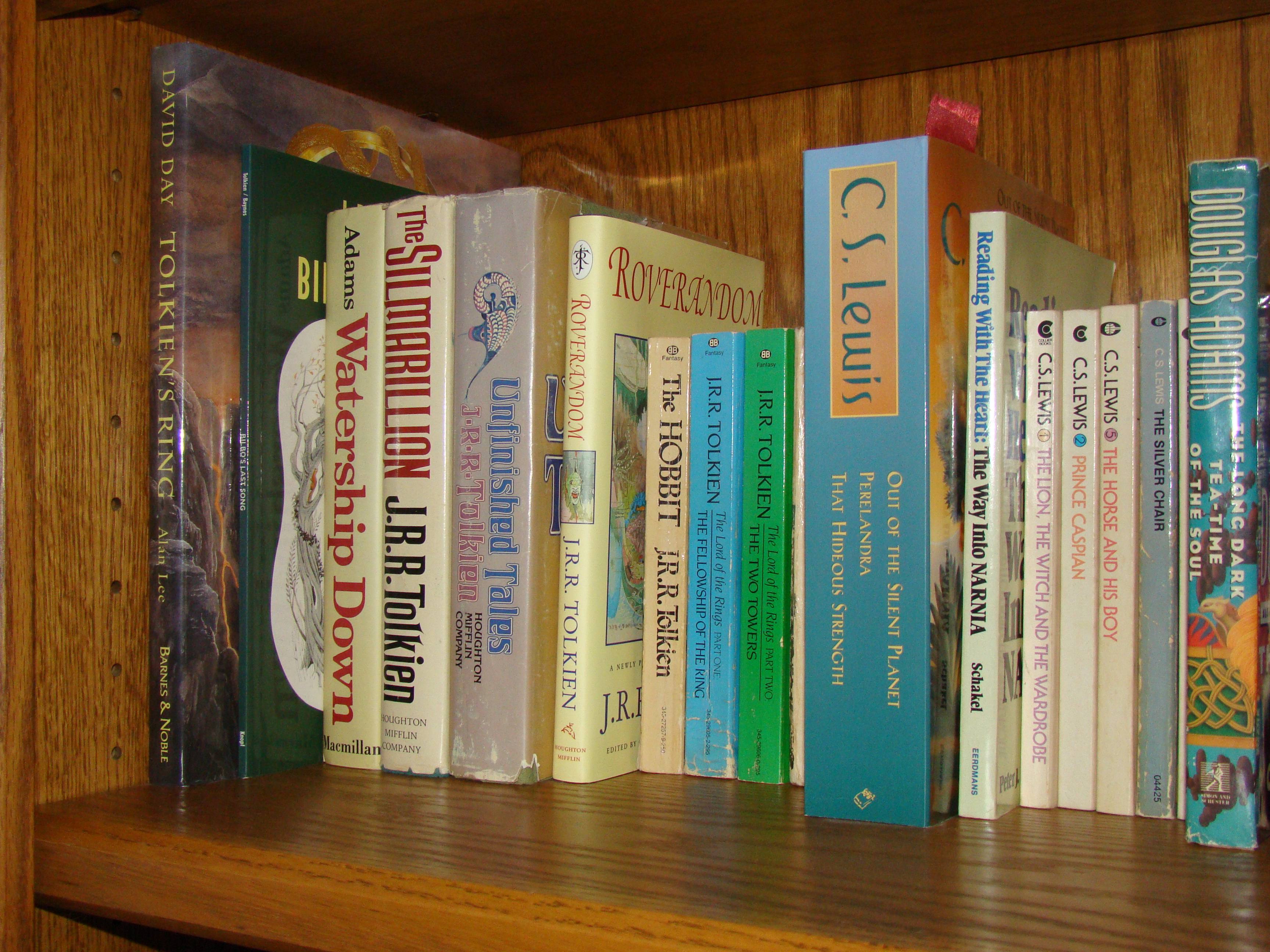
My boys and I read together often, even once they could read on their own and they got into all the after school activities.  Then our shared reading time moved to a bedtime ritual.  We progressed into classics like Watership Down and read The Hobbit and The Lord of the Rings trilogy (I skipped the Elvish).  It was regular together time that fed all of our minds.  I was devastated when they told me perhaps it was time to stop once they were in their early teen years.


I consoled myself with the thought that we had kept story time going much longer than most other families.  Plus we had the bonus of the Harry Potter series.  We reconvened for the latest in that series until my older son was 16.  (Sadly, we each read the last book separately – but discussed it together afterward.)


These are good memories with my boys.  I have so many more memories of books that resonate for me down through my years – books that I read as a teen or young adult that have deep meaning to this day.


I know that your life is full of so very many obligations, I do.  But your brain wants to be fed.  One of the simplest ways to accomplish this is to pick up a book.  Any book on a topic that interests you – fiction, biography, sports.  I will tell you that it can take me a ridiculously long time to finish even escapist fiction.  I might only read a page or two in a day.  But that page or two takes me away from the everyday of my own life and allows me to experience life as someone else.


Reading about something outside your own experience, fiction or not, provides the opportunity to expand your knowledge base and the mental tools that you use to be successful.


© 2013 BAReed Writing | Practical Business, All rights reserved
Accumulating Small Triumphs

Big wins are fabulous, splashy feel good moments, but give me a succession of small wins any week and I’ll take that option every time.  Don’t get me wrong, I am not averse to big wins – indeed, bring one on, I could use it.  The thing is that the excitement and joy fade away into the everyday and then you are left with a nice photo.


We like to see our lives as a progression forward and toward something better.  The big wins then should give us a jump to a higher plain where we will then stay and continue to progress upward from that point.  But the truth is usually that the big win is a spike and then we come back to where we were previously and continue our progression after the interruption.


I haven’t even gotten into the other side of things, those difficulties – both large and small – that impede this progress.  I’ve mentioned before that over my life I have tended more toward the melancholy so these difficulties always loomed larger than any triumph in my perception.  Except in these last few years.  The difficulties are still there but I have consciously changed my perception.  (As I began to write this post in my head, my computer refused to start properly on the first try and I had to force a shut down all the while afraid that I would lose details of the idea with the delay.)


Look at what people accomplished without all of our modern machinery! 1875 August Menken photo credit: Wikipedia commons

Look at what people accomplished without all of our modern machinery!
1875 August Menken
photo credit: Wikipedia commons

If triumphs and difficulties left some sort of mark, sort of like the graphs in black and red that show earnings up or down of the center line, as we look back objectively at our lives these would probably be pretty even.  But in perception, I have found that if I make an effort to be aware of the small triumphs and give a moment of thanks then everything gets colored differently – and better.


We had many difficulties and challenges in the office last week but we ended on a small triumph which made it all worthwhile.


© 2013 BAReed Writing | Practical Business, All rights reserved
Lessons Last Week Lined Up to Reinforce

Socrates & Plato are still teaching us.  (photo credit: Wikipedia)

Socrates & Plato are still teaching us. (photo credit: Wikipedia)

We pack our early years with schooling and then often let our learning muscles get a little out of shape.  (And then you have to learn PowerPoint, uh-oh.)  Life has a tendency to provide us with plenty of opportunities that reinforce lessons we have previously learned, if we are paying attention.  I had two chances last week, that I noticed.

I like the idea of mindfulness, but it just isn’t possible to practice 24/7 – if you have found a way, please share.  I probably missed a few things that I saw as mundane at the time and not something with more substance.  And I am usually in the mindset to look for depth, patterns and opportunity.  Do you remember to look beyond, or deeper into the immediate task sometimes?

An important role for a leader is to help people recognize their own abilities to resolve situations and to provide tools and space to practice these skills.  I’m deep in learning mode right now, there are many things that I don’t know in detail.  My team knows the details and it is my responsibility to make sure that they have what they need to complete the tasks and keep things moving.  My responsibility is to offer alternatives to keep things moving, and encourage.

Being prepared means many things – practicing, familiarizing, and centering.  I had a chance to do a speech for Toastmasters in an unfamiliar space.  I had the speech itself cold (although I hadn’t practiced some changes well enough and left them out) but I didn’t take an opportunity to go stand up at the front and familiarize myself with the space.

I know better, we spent plenty of time on blocking (figuring out where to stand and move in a scene) in my theater days.  Blocking will change based on the space that you are working in, so in theater we block in the practice space and re-block once we move to the stage.  If we do a good job, we won’t look awkward when we have an audience.  I probably had some awkward moments in my speech that could have been avoided if I had just gone up to the front of the hall when I got there.

Then there is centering – taking that moment to get right in the head.  Don’t do it at your peril.  Do it half-way and pay the consequences.  This is particularly a lesson that many of us have to relearn, sometimes daily.   I did it half-way.

It was a mistake, that impression that many of us got in school that lessons only had to be repeated if we weren’t smart enough.  Repeat lessons come along to give us an opportunity to refocus, that’s all.  A chance to improve.

© 2013 BAReed Writing | Practical Business, All rights reserved

Truth can Mean Pain, Discovered Avoidance will be Excruciating

Sometimes post ideas come from the most fleeting of thoughts and I have to be quick to get the essence of the idea down in a notebook that I carry.  (I was just at a conference where they reminded us all that science has found we forget about half of what we hear/see within 24 hours, and the forgetting just goes on exponentially from there.)

I meant to write down the occurrence behind this post idea, but it is lost.  Certainly this is a lesson that I tried to teach myself many, many times in my younger years.  I was steadfast in my practice of avoidance for too many years.  Foolishly, ridiculously so.  Until I finally saw the pattern.  And realized that truth can have power.

truth

The movie quote, “You can’t handle the truth.” (Most men I know can practically recite the whole movie.  This quote is Jack Nicholson’s character in A Few Good Men) seems to sum up the way that many of us relate to the truth.  For whatever reason we create all sorts of alternate reality scenarios and often these get tripped up in one way or another and we are faced with myriad consequences.  Mostly unpleasant ones.

On the other hand, when people expect defensive behavior on your part you can regain control of a conversation when you tell the truth.  It has taken the wind out of more potential rants than I have kept count, people were actually disappointed because they had clearly practiced words for a protracted argument.  My simple, ‘I’m sorry, I didn’t realize my action x would lead to issue y for you.  How can we fix it?’ stopped them up.  Of course, even better is to go to them when you know something might affect them, and I learned this too, finally.

Your right now self might be tired, but your future self has other things to do than to clean up after you.

© 2013 BAReed Writing | Practical Business, All rights reserved
Education and Learning

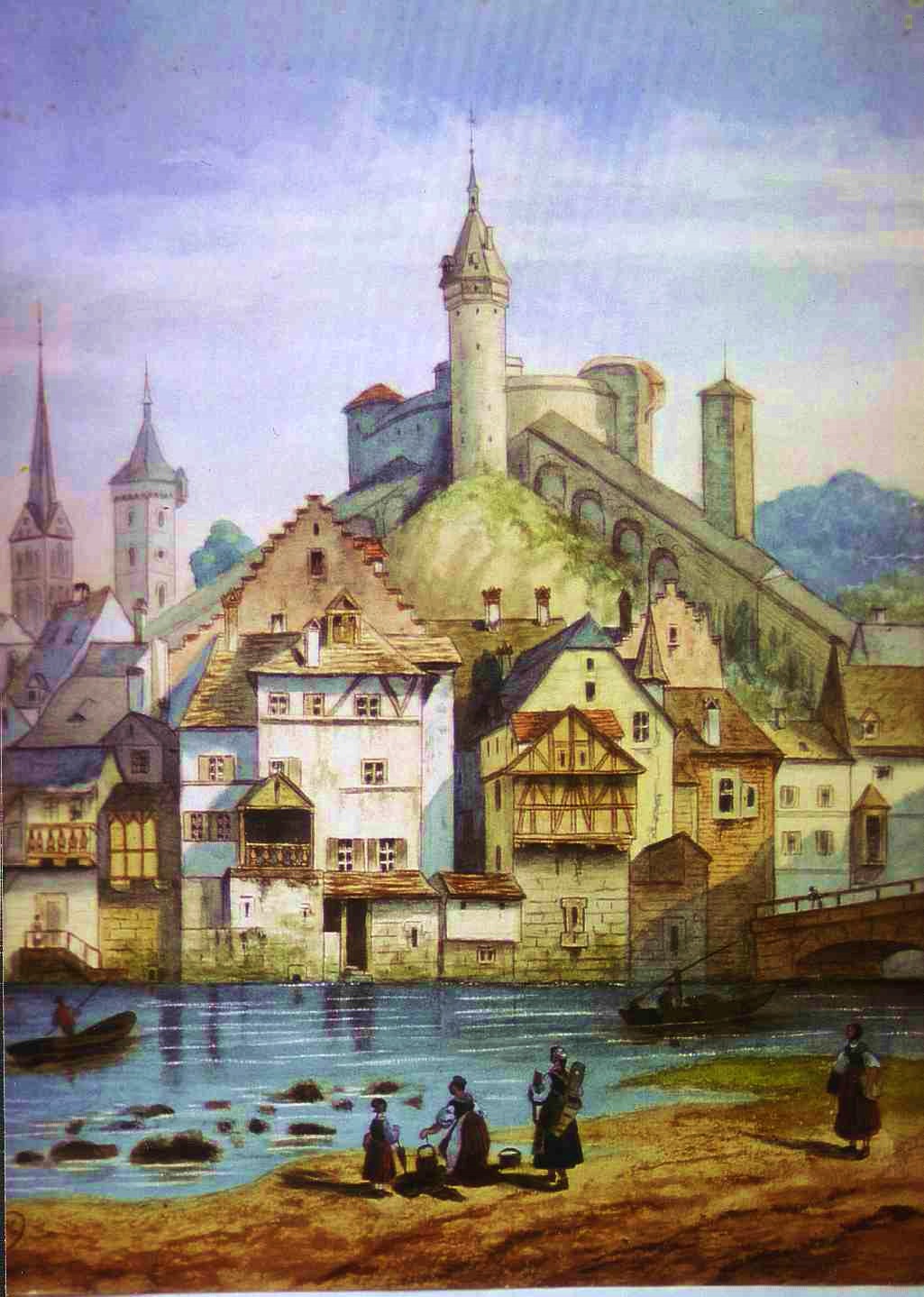
Academie des Sciences c1671 (photo credit Wikipedia)

Academie des Sciences c1671 (photo credit Wikipedia)

There is a great deal in life to learn, to be taught.


“Education is an admirable thing, but it is well to remember from time to time that nothing worth knowing can be taught.”

~ Oscar Wilde, “The Critic as Artist”


Education can introduce us to previously unknown topics, and willingness to learn will be the key to gaining knowledge.


© 2013 BAReed Writing | Practical Business, All rights reserved
The Sarcastic Muse

Writing. Information. Inspiration. Sarcasm guaranteed.

Stefanie O'Connell

Just another WordPress.com site

Retirement - Only the Beginning

Retirement Planning Beyond Financial

Voices In His Head

Recognized as Blog Of The Year! (unfortunately, it was given the year 1910, the start of the Great Depression)

O at the Edges

Musings on poetry, language, perception, numbers, food, and anything else that slips through the cracks.

BAReed Writing, Business Writing

Clear, professional writing is closer than you think.

Dancing Beastie

Seasonal living in a Scottish castle

eyeslikecarnivals.com

Clear, professional writing is closer than you think.

Blog to Work

Blogging your way to a job.

michelleshaeffer.com

Simplifying Business Chaos

Always The Write Time Blog

by CHRIS MADAY SCHMIDT

Art of Non-Conformity

Clear, professional writing is closer than you think.

xplorenorthshore

Smile! You’re at the best WordPress.com site ever

Medievalists.net

Clear, professional writing is closer than you think.

The Creative Penn

Clear, professional writing is closer than you think.

Gifts Of The Journey

The Fearless Pursuit Of A Life Worth Living

The rising tide

Through The Glass Darkly

an interconnected life...

Discovering the threads that connect us, one story at a time.

TED Blog

The TED Blog shares news about TED Talks and TED Conferences.

animatingyourlife

A great WordPress.com site

Second Star to the Right

and straight on 'til morning

CAHOOTS

Success is meant to be shared

Farmlet

Living cheaply and richly on an acre in Puna, Hawaii

J T Weaver

When you got nothing, you got nothing to lose. — Dylan.

Gen Y Girl

Twentysomething. Annoyed with corporate BS. Obsessed with Gen Y. Not bratty. Just opinionated.

Jenna Dee

....living with a following wind

Doublewhirler

iPhone vs Camera

Book Hub, Inc.

The Total Book Experience

The Write Project

looking for light in a weary world